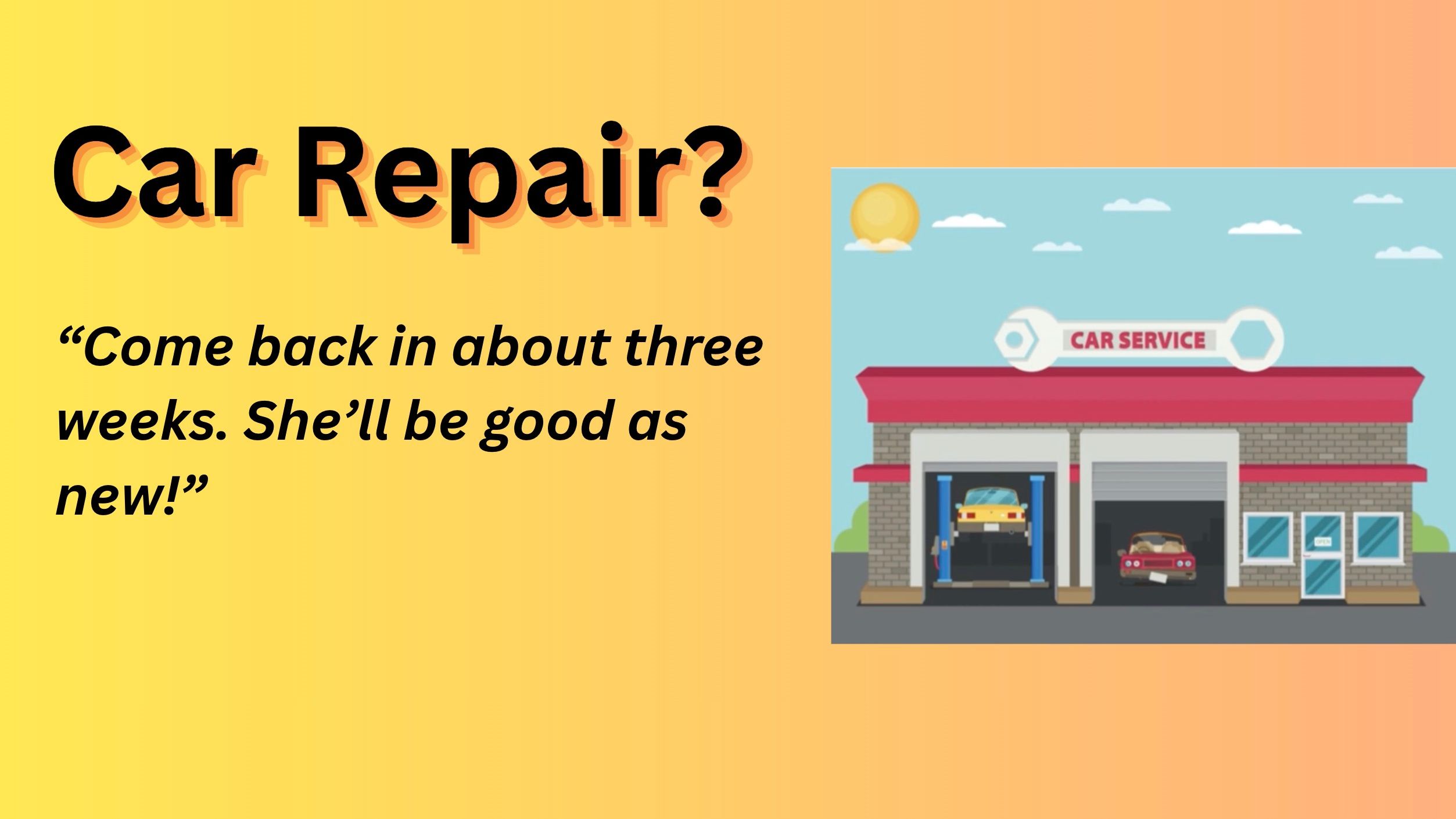
One of the most costly mistakes families can make when a loved one enters addiction treatment is what I call the Car Repair Model.
It’s the belief that you can drop someone off at treatment, hope that whatever goes on in there is going to work, and pick them up a few weeks later, and everything is going to be fixed and “good as new.”
I believe this way of thinking is one of the biggest contributors to the alarmingly high rate of poor treatment outcomes we continue to see in the substance use treatment field today.
One of the greatest vulnerabilities in addiction treatment shows up when the stakeholders—the people supporting the client—have an inadequate understanding of what the treatment plan actually looks like. Families often have no clear way of knowing whether their loved one is following recommendations or not. And when treatment recommendations aren’t followed and relapse occurs, what everyone around them sees is simple and discouraging:
Rehab didn't work.
A compounding problem is that when we hear more about treatment failure than treatment success, the public perception of rehab becomes tainted, and families often enter treatment already skeptical that it will work at all. In many cases, they are—at least psychologically—pre-disengaged before treatment even begins.
And that matters.
Because relative to how much positive impact families can have on treatment outcomes, the lack of meaningful family engagement and support strategies is an issue that deserves far more attention than it currently receives.
Families have a much bigger impact on treatment outcomes than most realize.
HELPING FAMILIES SUPPORT THE TREATMENT PROCESS
The blunt truth I often share with families is this:
Families can either MAKE — or BREAK — a case.
And then I let them know how much there is that they can do—things that are entirely within their control—that can make a significant difference in how treatment unfolds for their loved one.
It starts with the family learning as much as they possibly can about addiction, how it is treated, and what recovery actually looks like.
But after running my own adolescent outpatient treatment program for years, I realized just how much help families need in doing this. That's why I turned my attention to working specifically with families and created my RehabWorks Online Family Education Program.
RehabWorks was designed to help families move beyond the Car Repair Model by giving them clarity about what treatment is addressing, what their loved one is learning, and how family dynamics directly impact treatment and recovery. It’s a framework that helps families shift from being hopeful bystanders to becoming informed, proactive participants in the treatment process.
Another problem I set out to solve with RehabWorks was a practical one:
How do we get families the information they need—quickly, clearly, and in a way they can actually use?
One way to help families avoid the Car Repair Model is to involve them from Day 1 of treatment. With RehabWorks, I created an online family education curriculum that allows families to begin engaging with this material immediately. A key contributor to poor treatment outcomes is resistance during the critical early phase of treatment—often within the first week—when clients want to leave or push back in ways families don’t know how to respond to. Too often, this happens before the family has even had any meaningful contact with the treatment team. I designed RehabWorks to give families the tools they need to navigate those early challenges and avoid some of the most common barriers we see during the early-treatment phase.
I share this not simply to talk about my program, but to highlight a larger point:
If we want better outcomes, we have to take family engagement seriously.
And we have to keep asking ourselves—as families, clinicians, and treatment providers—are we doing enough to help families land on the MAKE THE CASE side of treatment outcomes?
RESOURCES
RehabWorks is available both for families seeking direct support and for treatment facilities looking to strengthen family engagement as part of the treatment process.
‣ Direct family support
If you are currently addressing a substance use issue with a loved one, I offer direct support in helping families navigate the steep learning curve of learning how to give your loved on the best chance possible for treatment success. LEARN MORE 👉
‣ RehabWorks for treatment facilities
If you are a treatment provider and would like to learn more about how RehabWorks can be used as a turnkey solution to increasing family engagement and improving outcomes through effective family support: REHABWORKS FOR FACILITIES 👉
FREE eBOOK
Sobriety Doesn't Have To Suck!
A Guide To Finding Excitement, Renewal, And Spiritual Fulfillment In Recovery
Stay connected with news and updates!
Join our mailing list to receive news, resources, and updates.
Don't worry, your information will not be shared.
(We won't send spam. Unsubscribe at anytime.)
