That’s my story exactly!”
I had just played a song for a group of substance use treatment clients called “All That I Can Do.” It’s a song from my musical recovery program that I use to teach about addiction and recovery.
The song describes hitting bottom in addiction and the painful self‑examination that often opens the door to what might be called a moment of clarity.
As I played it for the group, I asked them to follow along with the lyrics and underline any lines they related to. When I finished, I asked what they had underlined. One client spoke up:
“I underlined every line. That’s my story exactly!”
The truth is, I’ve witnessed this same reaction countless times with this particular song. And the reason it resonates so powerfully—especially with people in substance use treatment—is simple:
It is their story.
It bypasses diagnoses.
It bypasses prescribed therapeutic protocols.
Instead, it goes straight to the truth of where someone is in their process:
-
where they’ve been
-
what’s happening right now
-
and where they hope to get to
Clarity Precedes Change
A basic tenet of motivational psychology is this:
Motivation occurs when there is a discrepancy between where a person is and where they want to be.
It follows that motivation cannot occur when someone is unaware of—or in denial about—where they are.
When the young woman exclaimed “That’s my story exactly!”, she may previously have been in denial about her relationship with mood‑altering substances. But in a few short moments, the song captured that relationship clearly:
-
where she had been
-
the challenge she was facing
-
and where she wished she could go
That’s clarity.
And clarity is a prerequisite for change.
In that moment—her moment of clarity—things suddenly made sense. Not because someone convinced her, but because she could see it for herself.
When you can’t see where you are, you can’t know whether you want to be someplace else.
A Roadmap for Transformation
Seeing herself in the song is an example of using music as a pathway to recovery. But there is something deeper happening beneath the surface.
In a previous post, Many Paths. One Map., I wrote about how all the different recovery pathways I use in my work share a unifying foundation.
They provide a map.
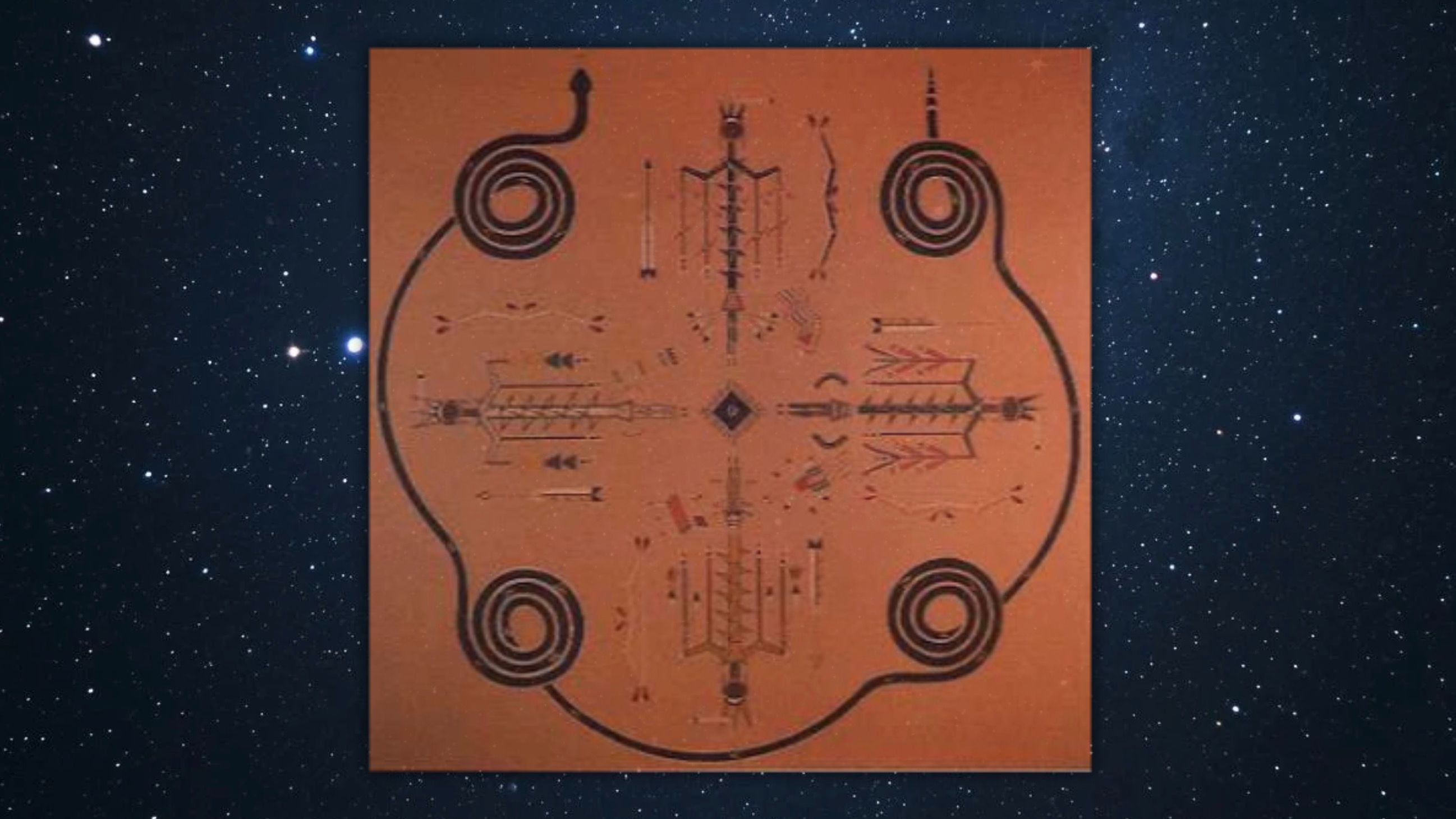
For more than thirty years, the basis of this map has been a model I developed called The Recovery Wheel—a cyclical framework based on the Native American Medicine Wheel, which teaches that life is a process of growth, transition, and renewal.
Whether viewed through the sun’s daily journey—moving into darkness only to rise again—or through our own process of personal transformation, the Recovery Wheel offers a way to understand where we are in relation to the larger whole.
This is the foundation of nearly all my work.
When the client recognized herself in the song, she was actually seeing where she stood on the Recovery Wheel. That's because the song comes from a musical program I created specifically as a musical portrayal of the Recovery Wheel.
This is why themes like journey, path, renewal, and transformation appear so frequently in my work—and why images of silhouettes and sunrises recur throughout it. These are all signposts on the map presented through the Recovery Wheel, helping people identify where they are in their own process—and where they want to go.
The image below comes from the opening scene of the stage production of The Journey: A Musical Story of Transformation. It depicts the sun’s journey across the sky—and how that journey can serve as a map for our own transformation.

The Power of Metaphor
Which brings us back to motivation.
A person is far more likely to be motivated to change when it’s their own idea.
This is where metaphor becomes so powerful.
Whether through stories, song lyrics, imagery, or the visual diagram of the Recovery Wheel, each approach uses symbols to facilitate self‑awareness.
When someone relates to a lyric or draws meaning from an image, the symbol allows them to pull something from their own subconscious—something they already know—and attach it to the symbol.
They can see it clearly.
And symbols do more than clarify. They carry energy. They inspire movement.
I could lecture a group about the need to make painful changes—
"You need to let go of what no longer serves you!"
You can imagine how that might land. Or I can offer the image of the sun moving into darkness, holding the promise of a new day. And their response becomes:
“I want that.”
From that place, people are willing to do the hard work—facing themselves, cultivating discipline, staying the course—not because they were told to, but because they chose to.
That’s the power of clarity.
Clarity creates choice.
And choice is where transformation begins.
Want to explore this further?
In my upcoming webinar, The Recovery Wheel, I'll walk through this framework in depth—showing how clarity, choice, and transformation unfold as part of a single, coherent process.
The Recovery Wheel: A Timeless Approach To Addiction & Recovery
FREE eBOOK
Sobriety Doesn't Have To Suck!
A Guide To Finding Excitement, Renewal, And Spiritual Fulfillment In Recovery
Stay connected with news and updates!
Join our mailing list to receive news, resources, and updates.
Don't worry, your information will not be shared.
(We won't send spam. Unsubscribe at anytime.)
