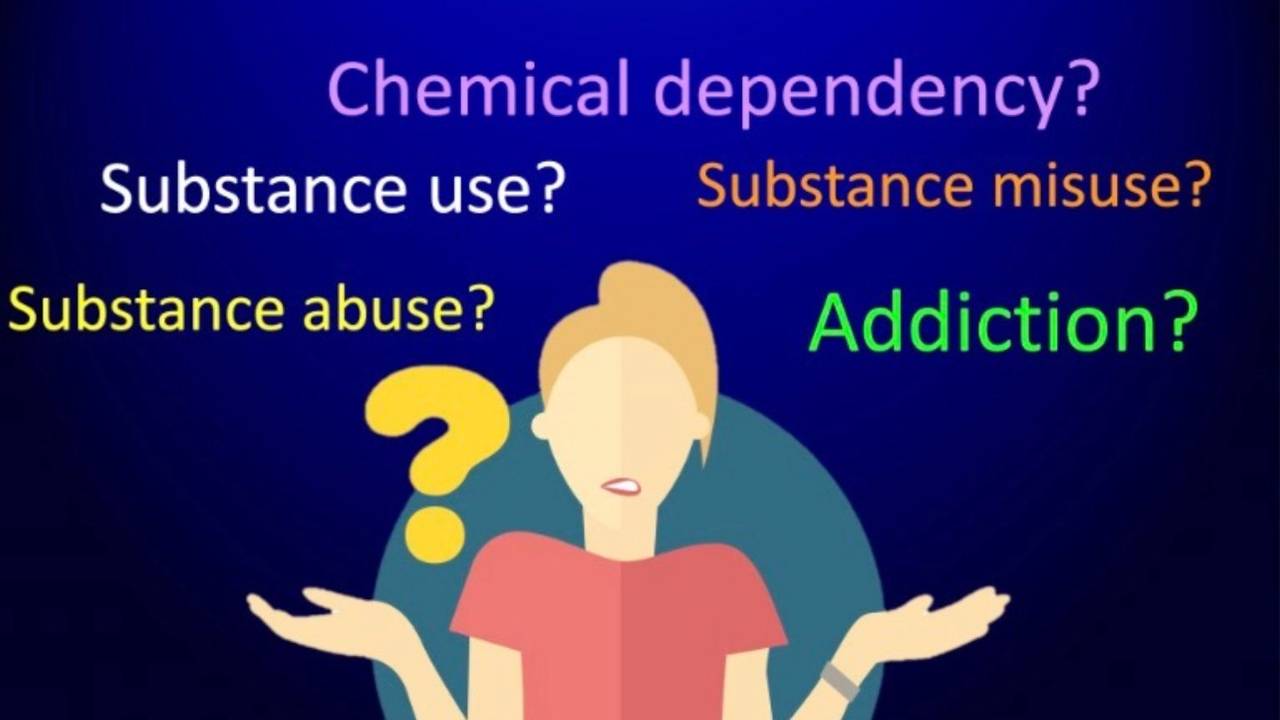
A frequently heard phrase we hear among substance use clinicians these days is "I meet my clients where they're at."
I'm going to be really honest here.
Over the fast couple years, I have become increasingly uncomfortable when I hear that. Here's where I'm coming from:
If my treatment client says, "I' think I'd be more open and honest in group if I could have a few glasses of wine," is meeting them where they're at allowing them drink during a session?
Or perhaps a client lets me know that they could be a little more attentive and perky if they were allowed to do a few lines of coke during the session? Should we meet them where they're at by taking breaks to let them do a couple of bumps to get them through group?
Quite honestly, that's the impression I get sometimes when I hear SUD counselors talking about meeting clients where they're at. The idea is that they may at some point arrive at their own decision as to whether they want to engage in that behavior or not.
Before I go on, let me be clear: I am all for motivational enhancement:
I totally recognize and support the fact that one will be more motivated for behavior change when the decision is theirs.
In fact, allowing clients to identify where they are and arrive at their own decision about behavior change has been the foundation of the entire body of work I've created over the past three decades working in the addiction treatment field. My concern about the "meet them where they're at" dynamic stems from the core premise of motivational enhancement:
Motivation occurs when there is a discrepancy between where one is, and where they'd like to be. The bigger the discrepancy, the more motivated they will be to get to where they want to be.
My concern is this:
How can one make an informed decision about any discrepancy between where they're at and where they want to be—when they are in denial about they're at?
Case Study
I recently had an 18-year-old client referred to me after his parents expressed concern to his psychiatrist that he wasn't making any progress with his current therapist, whom he had been seeing for over a year.
Their concern was that the boy continued to smoke marijuana and experience harmful consequences as a result of his use. The therapist had done a substance use assessment, and had informed the client and the parents that he did in fact have a cannabis use disorder. But he also said that because it was "mild", there was no reason to do anything different than the current treatment plan of weekly OP therapy sessions.
When scheduling the appointment, the client's mother noted that he was extremely resistant to seeing me, adding that his comment was, "he's just going to tell me I'm a bad person." More on that later...
After completing my own assessment with him, we began my PREVENT! program, a 5-session intensive evaluation and education program for addressing early-stage substance use. As mentioned above, PREVENT! is one of several programs I've developed that are based on principles of motivational enhancement. In this case, that meant helping the client identify where he was versus where he wanted to be with regard to his substance use.
The first session is a basic presentation on Substance Use Disorder: what it is, how you diagnose it, and implications for treatment. I include the family along with the client for this presentation to make sure everybody's on the same page as far as what we're talking about when it comes to whether someone's substance use is a problem or not.
Without going into all the details of what I presented during that session, I will simply say that by the end of that one session, the client acknowledged that his marijuana use was indeed a problem, and that he was motivated to implement a treatment plan for managing his condition.
This client went from resistant to motivated in one session, by simply providing what I believe to be responsible substance use education. Prior to the session, it would be fair to say that he was uniformed about where he was at with regard to his substance use. He had no idea what a substance use disorder was. In fact, his comment "he's just going to tell me I'm a bad person" proved to be the most enlightening point of the session. As a result of processing through what he meant by that, and clarifying specific areas where he was misinformed about what it means to have a problem, that was all it took to help this client move from resistant to motivated:
a. He became clear about where he was, and
b. he recognized a discrepancy between where he was and where he wanted to be.
Responsible Substance Use Education
Which brings me to what I believe is an important question for those of us working in the substance use treatment field:
What is our responsibility as providers to make sure clients have the necessary information to know exactly where they are at?
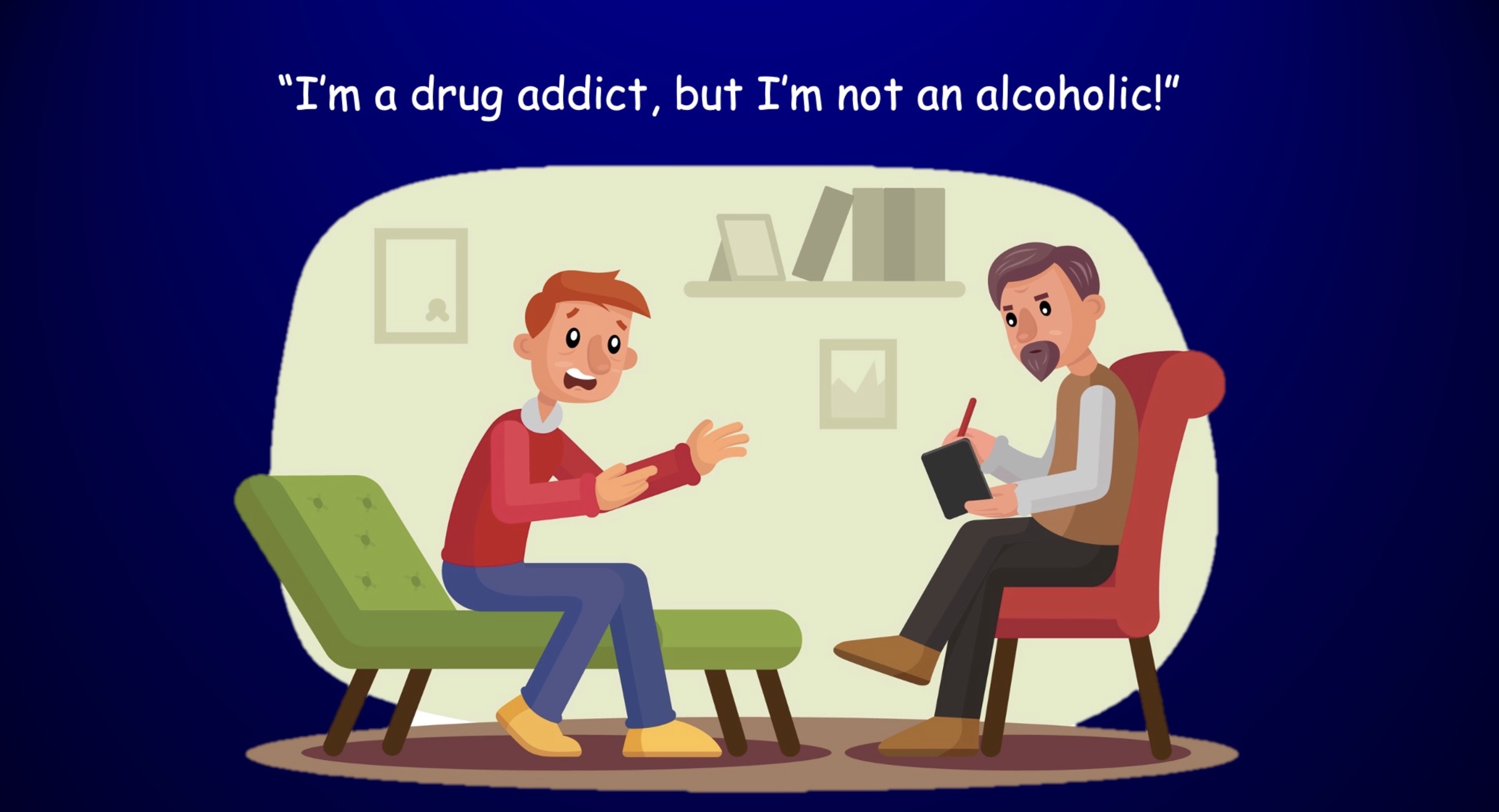
When a substance use client is assessed and diagnosed with a substance use disorder, I have always felt they deserve the respect of having us take the time to explain how that diagnosis was determined and what it means. The fact is, a comprehensive substance use assessment can result in an accurate diagnosis and an appropriate treatment recommendation. Give them three referrals and move on to the next client.
But if the client doesn't understand what that diagnosis means—or believe they have a problem—that is a set-up for an angry client who spends the first three weeks of treatment arguing about why they're there.
That's why I began extending evaluations and incorporating education as part of the process, which is how I created the PREVENT! program mentioned above. This case provides a clear example of effective motivational enhancement—which includes helping the client know exactly where they are when deciding whether there is any discrepancy between there and where they want to be.
So the question isn't necessarily about whether we should meet clients where they're at. Of course we should. The question is more about:
What do we do when we meet them there?
Was the therapist who did the previous assessment meeting him where he was at and simply waiting for the client to arrive at a different conclusion for himself?
Or is there another issue we need to consider: Are clinicians receiving sufficient training to effectively explain substance use disorder—and the implications of treating versus not treating the condition?
This case provides a clear demonstration of how effective substance use education—in one 90-minute session—helped a client move from resistant to motivated.
One Final Note
The real eye-opener for me in this case came from the client's statement to his mother:
"He's just going to say I'm a bad person."
By going through the process of helping the client sort out misconceptions he had about what it means to have a problem, it became clear to me that much of his resistance was rooted in public misperceptions about substance use and the stigma they create—stigma that can ultimately become a barrier to treatment.
The realization I gained from this case was so profound that it became the impetus for deciding to do an entire revision of my 2014 book, Rehab Works! More than simply updating language that has become outdated in a quickly evolving field, I also recognized the value of sharing some of the lessons I've gained over the past twelve years of working with the material in the book with hundreds of clients and families.
The case discussed here became a featured "2026 Hindsight" section titled "He's Just Going To Say I'm A Bad Person." I go into much more detail about exactly what I taught that made such an impact in such a short time, and the larger lesson this client helped teach me:
We can reduce stigma and remove barriers to treatment by changing the conversation about substance use—from one that fosters shame and resistance to one that creates understanding, motivation for positive change, and inspiration for recovery.
Learn more about PREVENT!
PREVENT! is an intensive evaluation and education program designed for teens and young adults experiencing early-stage substance use concerns.
Learn more about the PREVENT! program →
FREE eBOOK
Sobriety Doesn't Have To Suck!
A Guide To Finding Excitement, Renewal, And Spiritual Fulfillment In Recovery
Stay connected with news and updates!
Join our mailing list to receive news, resources, and updates.
Don't worry, your information will not be shared.
(We won't send spam. Unsubscribe at anytime.)
